Health
Peptides: Promise, Proof and Precautions
What golfers should know about recovery, weight loss and healthy aging.
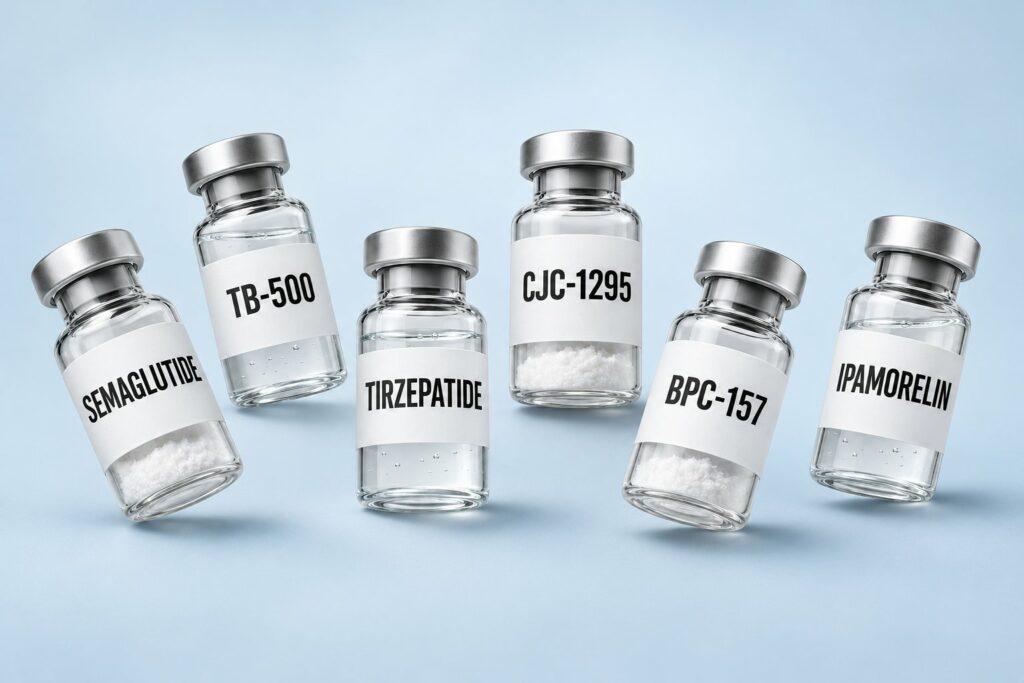
For golfers hoping to recover faster and stay active longer, peptides can sound appealing. They’re promoted for joint comfort, muscle growth and healthy aging. But what are they, and how much of the promise is proven?
Peptides are short chains of amino acids, the building blocks of proteins. Your body makes many naturally. Some act as messengers that regulate appetite, blood sugar and hormone release. Laboratory-made peptides can mimic or influence these signals, but each works differently.
Some peptide medicines have established benefits. Insulin helps manage diabetes. Semaglutide, sold as Ozempic and Wegovy, helps regulate blood sugar and appetite, with approved uses depending on the product. Side effects can include nausea, vomiting, diarrhea and constipation; less common complications include pancreatitis and gallbladder disease.
Appetite reduction deserves attention. Medicines such as semaglutide and tirzepatide can support weight loss, but eating less may make it harder to get enough protein, vitamins and minerals. Weight loss can also include muscle loss. Adequate protein and regular strength training help preserve muscle, especially in older adults. A physician or registered dietitian can help patients meet nutritional needs while losing weight.
Collagen peptides, commonly sold as powders or capsules, are a different category. Some studies suggest modest benefits for joint discomfort or skin elasticity, but research limitations include small studies and industry funding. Taking collagen does not guarantee repair of damaged cartilage.
Greater uncertainty surrounds injectable peptides marketed for recovery and anti-aging, including BPC-157, TB-500, CJC-1295 and ipamorelin. Strong human evidence supporting many advertised uses is lacking. FDA has identified concerns involving immune reactions, impurities and insufficient safety information. Long-term effects remain poorly understood.
As interest grows, online sellers offer an expanding range of products, and quality cannot be assumed. Unverified products may contain incorrect ingredients, inconsistent concentrations or contaminants. A polished website or purity claim does not establish safety.
Anyone considering peptide treatment should consult a licensed healthcare professional and verify the credentials of the dispensing pharmacy. Ask about independent testing for purity, potency and, for injectable products, sterility. Responses and side effects can vary from person to person. Compounded medicines are not FDA-approved, and quality testing alone does not establish that an experimental peptide is safe or effective. Medical guidance and ongoing monitoring should remain priorities.
Before proceeding, ask what human research supports the treatment, what risks apply and whether proven alternatives exist. For golfers, maintaining strength, energy and mobility should remain central to the conversation.
Healthy Golf content is for general information only and is not medical advice. Talk to your doctor before starting a new exercise, nutrition or recovery program.