Mental Game
Bob Rotella and the Mental Side of Better Golf
The renowned golf psychologist offers a useful starting point for playing with confidence and finding more enjoyment in the game.
One poor swing can last a few seconds. The argument we have with ourselves afterward can last the rest of the round. A drive finds the trees, a short putt slips past the cup, and suddenly we are carrying more than our clubs to the next tee.
For the first issue of Healthy Golf, that is a worthwhile place to begin. Taking care of our game includes paying attention to how we think, how we respond to disappointment and whether we still enjoy being out there.
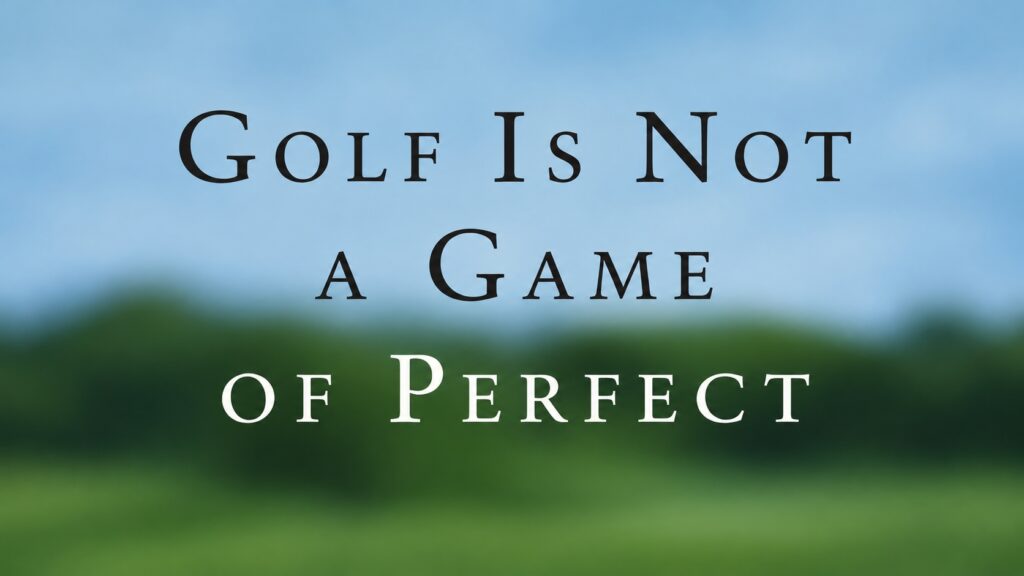
Dr. Bob Rotella has spent decades helping golfers address those questions. A former director of sport psychology at the University of Virginia, he has worked with athletes including Rory McIlroy, LeBron James, Greg Maddux, and Ken Griffey Jr. His books, including Golf Is Not a Game of Perfect, have brought his approach to recreational golfers as well.
Make Room for Mistakes
A central theme of Rotella’s teaching is accepting golf’s inevitable imperfections. Even accomplished players miss shots. Fighting that reality makes an already demanding game harder to enjoy.
Acceptance still leaves room for ambition. You can want to improve and be disappointed by a mistake without spending the next three holes punishing yourself for it.
Consider a drive that finishes behind a tree. The useful question is what shot the situation allows. An argument about where the drive should have gone will not open a path to the green. Assess the lie, choose a sensible recovery and give that shot your attention.
Give the Shot a Clear Decision
Rotella emphasizes decisiveness when preparing to play. A golfer who keeps debating a club or a putting line has yet to make a decision to trust.
Here is one way to apply that idea: work through the yardage, conditions and target before you address the ball. Choose a shot within your abilities. Once you step in, give yourself permission to play the decision you made.
Imagine an approach with a bunker guarding the flag. Choosing the wider part of the green can be a confident decision. Commitment does not require an aggressive target; it requires a clear one.
Practice Confidence
In an interview with Golf Monthly, Rotella encouraged golfers to remember their good shots and attach positive feelings to them. Many players do the opposite, replaying every poor swing while quickly dismissing the shots they hit well.
Try ending a round by writing down three things you did well. They might include a solid iron, a well-paced putt or a patient recovery. Give those moments some space alongside the things you want to improve.
Rotella also recommends practicing a consistent mental and physical routine, changing clubs and targets to make range sessions resemble actual golf. The routine deserves rehearsal along with the swing.
Keep Improvement in Perspective
Rotella is clear that confidence and physical skill belong together. Mental preparation cannot supply a technique you have never learned. Lessons and purposeful practice still matter.
His broader philosophy also leaves room for enjoying the pursuit of improvement. There will always be another challenge, whether you are learning to make clean contact or trying to win a club championship.
For golfers whose distance or stamina has changed, a useful personal goal might be better decisions or a more reliable short game. You can keep finding reasons to improve without measuring every round against the player you used to be.
On your next round, choose one mental habit to practice. You might commit to each target or return your attention to the next shot after a mistake. Afterward, ask how well you kept that commitment.
The score will still matter. So will the conversation, the walk and the good shot that brings you back. A healthier approach to golf makes room for all of it.
Healthy Golf content is for general information only and is not medical advice. Talk to your doctor before starting a new exercise, nutrition or recovery program.